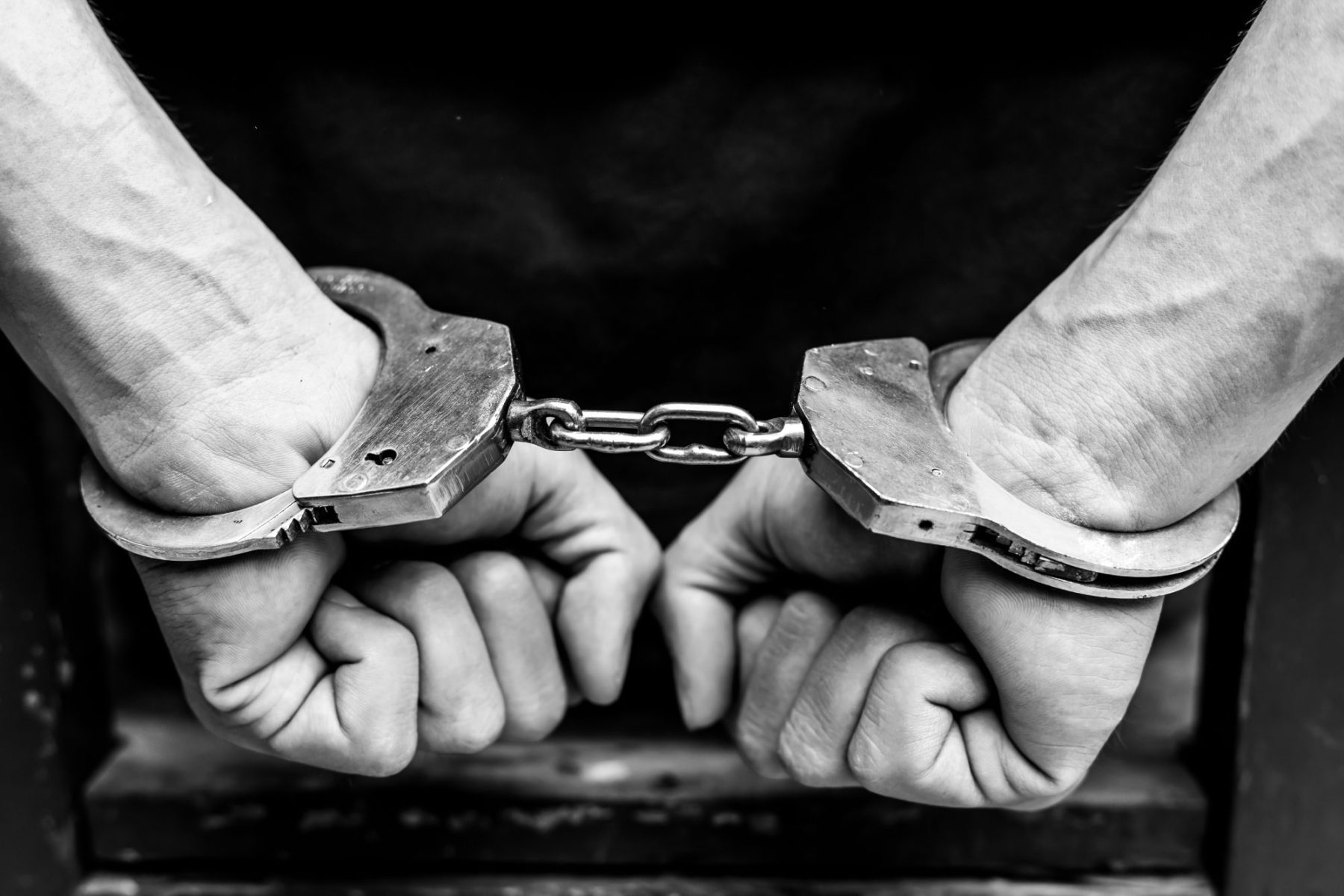
Being arrested or having your property searched can feel overwhelming, stressful, and even confusing. You may wonder whether law enforcement had the right to take these actions. The answer often depends on whether “probable cause” existed at the time.
Understanding probable cause is essential when facing criminal charges. This standard is used to determine the validity of arrests, searches, and collection of evidence. At Comunale Law Office, we recognize the immense impact this legal concept can have on your criminal defense case, and we are here to help you understand and apply it in pursuit of a favorable outcome.
What Constitutes Probable Cause?
Probable cause does not have one exact definition. Courts generally describe it as objective circumstances that lead police to believe a crime was committed. The standard requires more evidence than reasonable suspicion, but less than proof beyond a reasonable doubt.
Characteristics of probable cause include:
- Objective facts: Must be based on observable circumstances, not hunches
- Reasonable belief: A logical connection between facts and criminal activity
- Totality of circumstances: All available information considered together
- Case-by-case basis: Each situation is evaluated individually
Probable cause cannot be established through intuition; courts require concrete, observable facts that would lead a reasonable person to believe criminal activity occurred.
How Probable Cause Affects Arrests
The Fourth Amendment requires probable cause for all arrests and arrest warrants. Without it, an arrest may be invalid.
Probable cause must be established before issuing arrest warrants, ensuring the process adheres to legal standards. An arrest is considered legal if it is based on probable cause, even if the individual is innocent. Conversely, evidence obtained from invalid arrests (that is, without probable cause) can be suppressed, protecting the rights of those involved.
How Probable Cause Affects Searches
Vehicle searches frequently occur during traffic stops. Police need probable cause to search your car without your permission, but several exceptions apply.
Common examples that may establish probable cause for vehicle searches include:
- Visible contraband: Illegal items in plain sight
- Drug odors: Smell of marijuana or other controlled substances
- Suspicious behavior: Attempts to hide objects or inconsistent statements
- Reliable information: Tips from credible sources about criminal activity
The automobile exception allows warrantless searches when probable cause exists. However, searches of other properties, like houses, generally require a warrant based on probable cause.
Exclusionary Rule and Lack of Probable Cause
Evidence obtained without probable cause may be excluded from your case under the exclusionary rule. This constitutional protection prevents prosecutors from using illegally obtained evidence against you.
The exclusionary rule significantly impacts:
- DUI cases: Invalid stops can lead to suppressed breath test results
- Drug charges: Illegal searches may result in dismissed possession charges
- Weapons offenses: Unlawful seizures can exclude firearm evidence
- Case outcomes: Suppressed evidence can lead to reduced charges or dismissals
Working with an experienced attorney becomes crucial when seeking to challenge the legality of searches and seizures.
Judges Determine Probable Cause
In general, police officers do not have the final say on whether probable cause existed. Judges make these determinations based on the facts presented to them.
This judicial review process includes:
- Independent evaluation: Judges examine evidence without police influence
- Legal standards: Courts apply consistent probable cause requirements
- Case-specific analysis: Each situation receives individual consideration
- After-the-fact review: Probable cause can be challenged even after arrests or searches
A judge’s final determination can make the difference between valid and invalid police actions.
Protect Your Rights After a Search or Arrest With Experienced Legal Counsel
Probable cause determinations can significantly impact the strength of criminal cases. Invalid arrests and searches can result in suppressed evidence, reduced charges, or even case dismissals. Understanding these concepts helps you make informed decisions about your defense strategy.
If you are facing criminal charges in or near Dayton, the experienced team at Comunale Law Office can evaluate whether probable cause existed in your case. With over 30 years of legal experience, we provide aggressive representation with a personal, hands-on approach. Contact Comunale Law Office today to get assistance in exploring your defense options and protecting your rights.